

The Last Dance in an Empty House
I thought the hole my daughter made broke something. The truth is more complicated: it revealed what was already broken, what I'd been hiding behind fresh paint.

My daughter spun across the empty living room, arms stretched like wings, music blasting from a Bluetooth speaker on the French oak floor. The house was empty, the last several weeks spent packing up the lives we built into a POD. The house that once broke us was now just wide-open space and the two of us, breathless and laughing, our feet skipping across floors we’d never walk on again.
Our last night in this house. Tomorrow, we’d be leaving this place forever. But tonight, we danced.
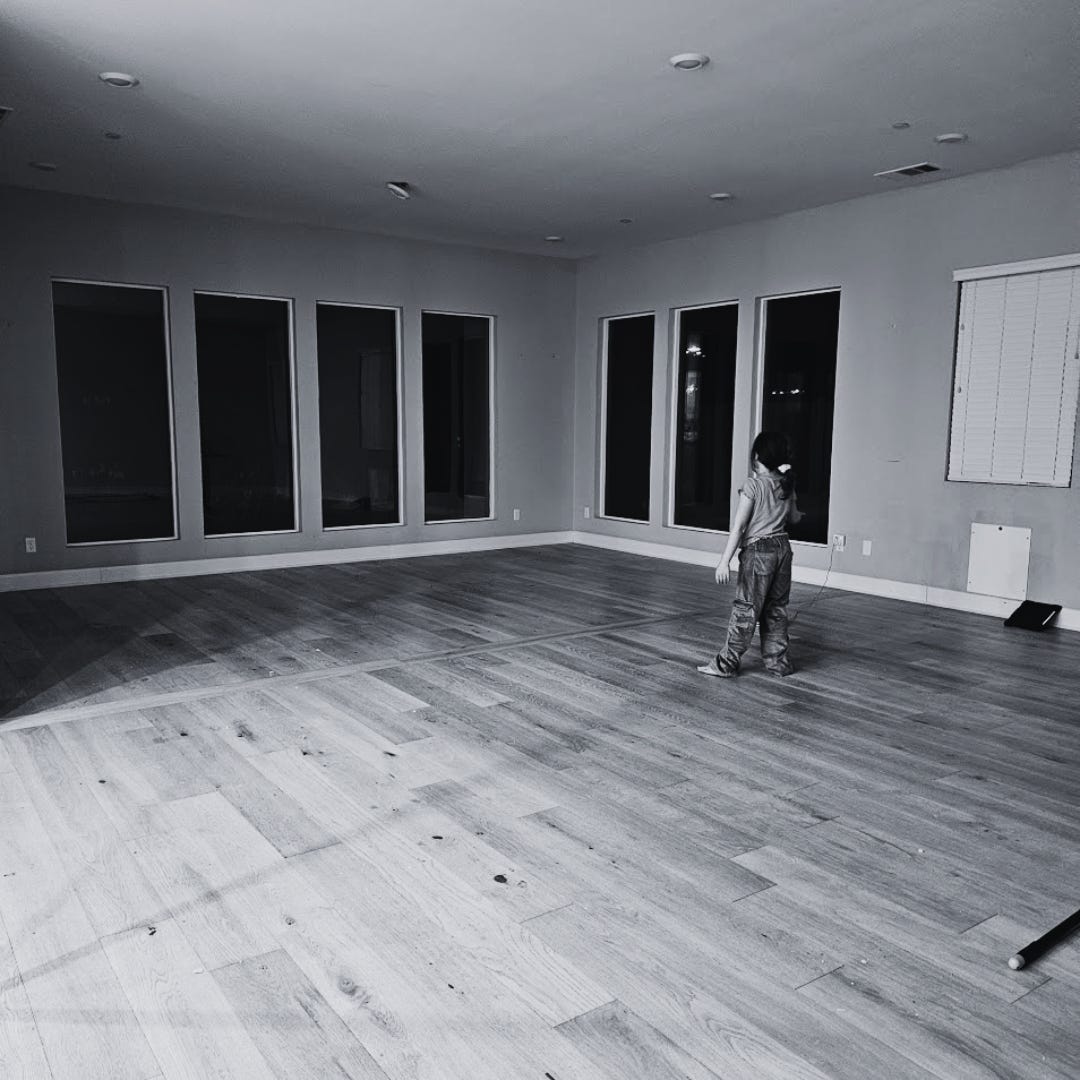
She flew from room to room, flinging imaginary powers across the empty space. Gravity released its claim as she twirled around the gold dance pole in the center. The same pole that made soccer moms raise their eyebrows. They never understood it was sanctuary.
“I control the elements!” she declared, fingers splaying wide. “Fire and ice!”
“Which are you?” I asked.
“Both.” She grabbed my hands, pulling me into her orbit. “Come on, Mommy. You have to spin to charge our powers.”
Both, I thought. Not fire or ice. Both.
For once, I didn’t think about what the neighbors might hear through these builder-grade walls. Didn’t worry about keeping up appearances in a neighborhood where your worth was measured by lawn trimming and your ability to hide whatever was breaking inside.
We spun together, laughing, and then her hand hit the wall.
The crack split the silence like a gunshot.
I felt it in my teeth first, then across my shoulders. Plaster crumbled beneath her palm, revealing old damage beneath fresh paint. The kind of cover-up everyone in this cul-de-sac had mastered. My vision narrowed to that jagged edge. Suddenly I wasn’t in our living room. I was back when my husband’s fist first met drywall, when the carefully maintained illusion of our perfect life first showed its fault lines.
She jerked back, staring at the hole as if she’d broken something sacred.
“I’m sorry, Mommy.” Her voice carried that particular tremor I recognized, the one I’d used myself as a child, apologizing for things that weren’t my fault. “I didn’t mean to...”
The words hung between us. I saw myself at her age, always ready to absorb blame, to make myself smaller. She hadn’t made this hole. Yet here she was, conditioned to take responsibility for damage that existed long before her hand went through. A pattern passed down through generations of women taught to apologize for existing.
I knelt beside her, watching her small fingers trying to piece the plaster back together, attempting to reverse what had already been done.
And the question I’d been asking myself for years rose up again, unbidden: How the fuck did I get here?
Not here in this empty house with my daughter. Not here in this moment of plaster dust and apologies. But here, to this woman I’d become. A mother who could finally stay present. A woman who could hold both strength and softness. A daughter learning to live with her past instead of running from it.
I never imagined our move would split our family, even temporarily. My husband had gone north with our youngest while I stayed back with our eldest, finishing the final details of leaving the only home we’d known together.
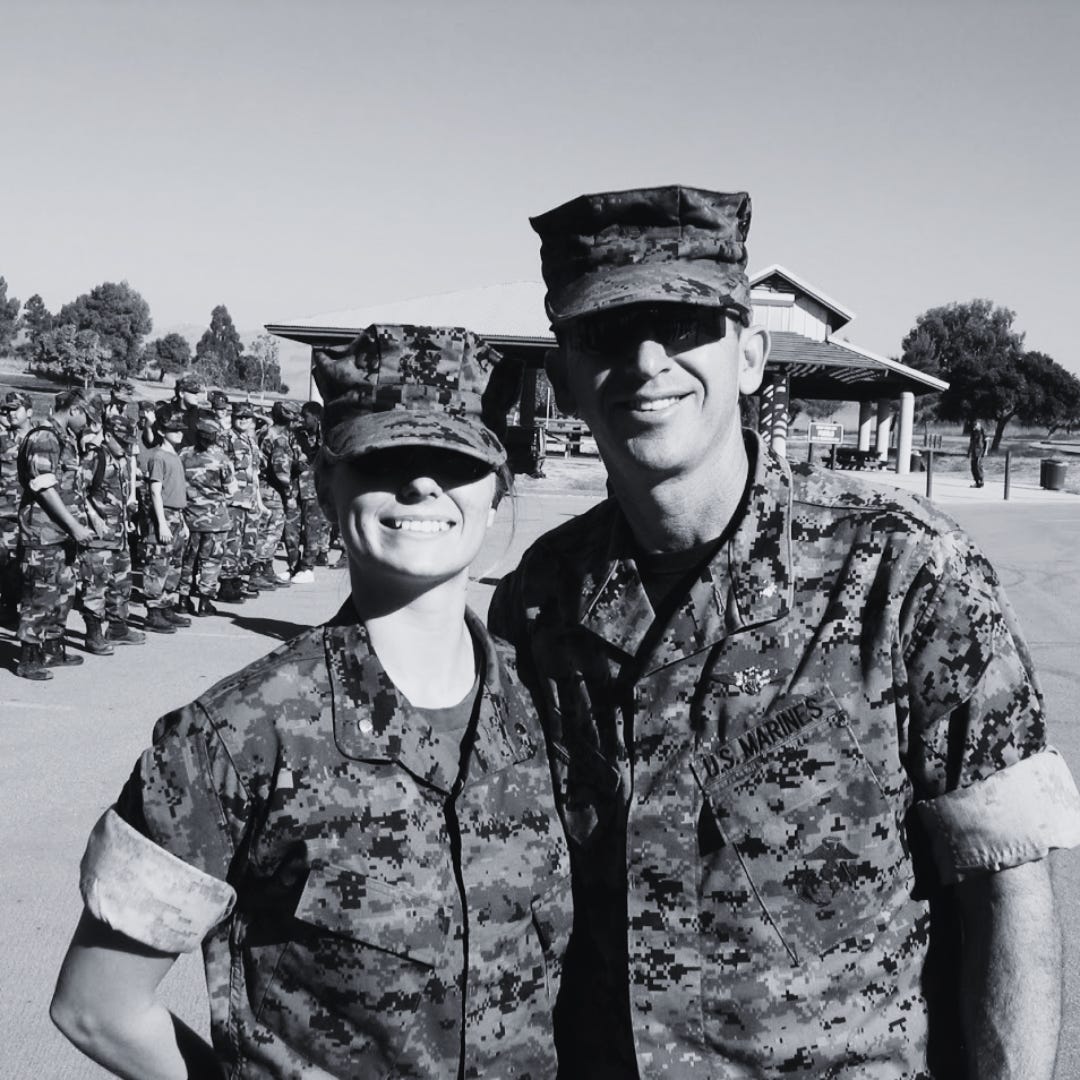
We’d both left Northern California after high school, independently drawn to San Diego for college, where we met. Nearly twenty years we spent there building our lives, our military careers, our transition to civilian life. Twenty years of Southern California sun and suburban perfection and the slow realization that we were missing something critical: home.
We’d been dabbling in the idea of leaving suburbia behind for a more grounded existence on land, a downsized house for an upsized lifestyle. But we never thought we’d be building that life in the Bay Area, where we were both from, where we’d both left behind when we were young.
Until fate called us back.
When both my husband’s parents were diagnosed with terminal cancer within months of each other, the question changed: How fast can we get home? We found a farm property in the hills, and suddenly moving home felt less like retreat and more like returning to self.
This San Diego house had been our daughters’ only home. But it had never quite been ours. This cul-de-sac where everyone’s yard looked the same and everyone’s pain stayed hidden behind fresh paint. Four years we spent here, pretending this life fit, performing roles that slowly erased who we actually were.
But you can’t paint over what lives inside you.
When my daughters were younger, I couldn’t see them the way I saw my oldest that night. I couldn’t see anything.
Postpartum depression didn’t just steal my ability to bond with my babies. It revealed something I’d avoided my entire life: I had no idea how to hold both strength and vulnerability.
The feminine looked like my mother collapsing on the bathroom floor after my grandfather died, her body folding into itself like paper. I was six. I made a promise that day: My children will never see me that broken.
So I became strong instead. Impenetrable. I joined the Marines at seventeen, trained to fly aircraft, learned to compartmentalize pain like a mission objective. I wore my strength like armor, each layer a shield against the vulnerability I’d sworn never to show.
But motherhood didn’t accept that bargain.
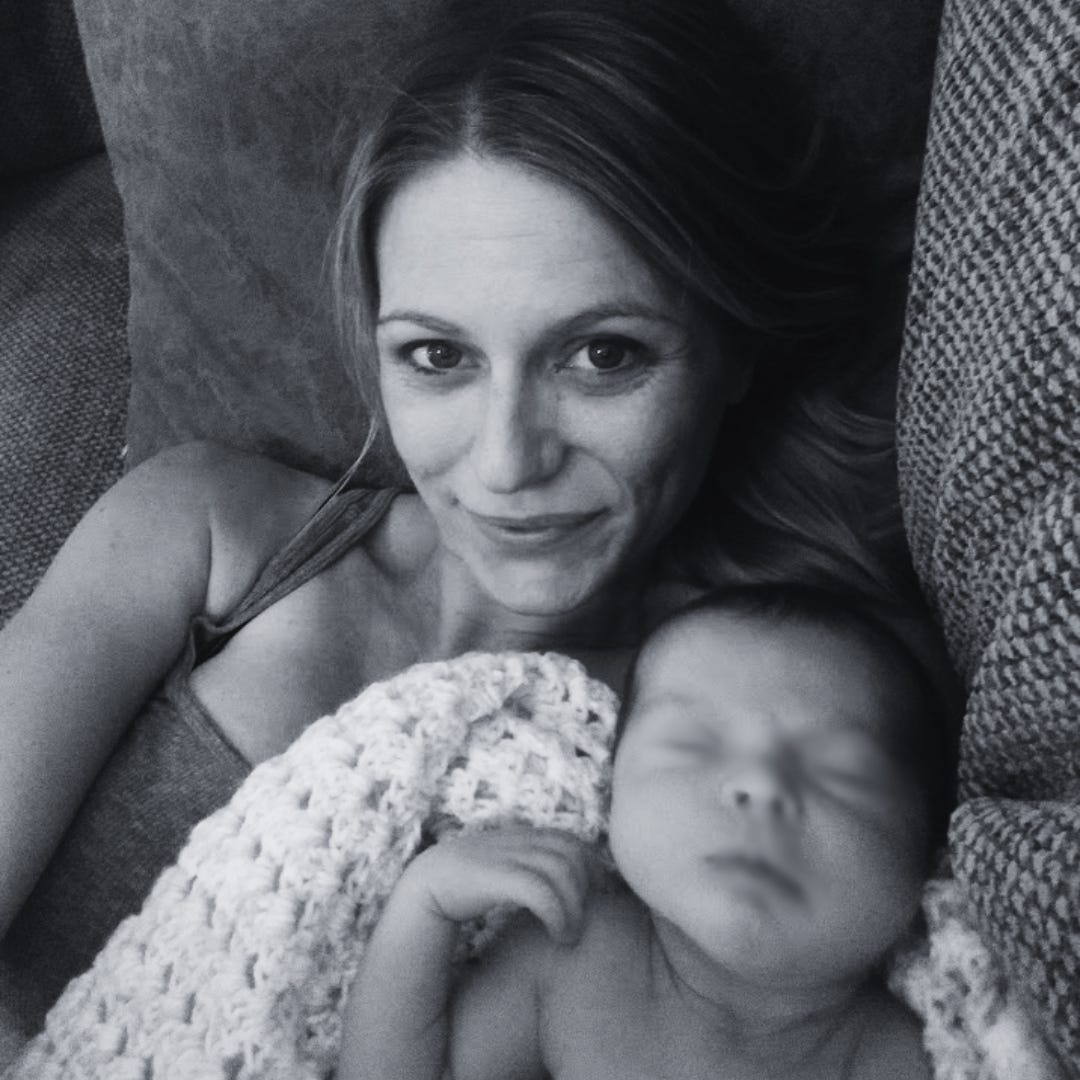
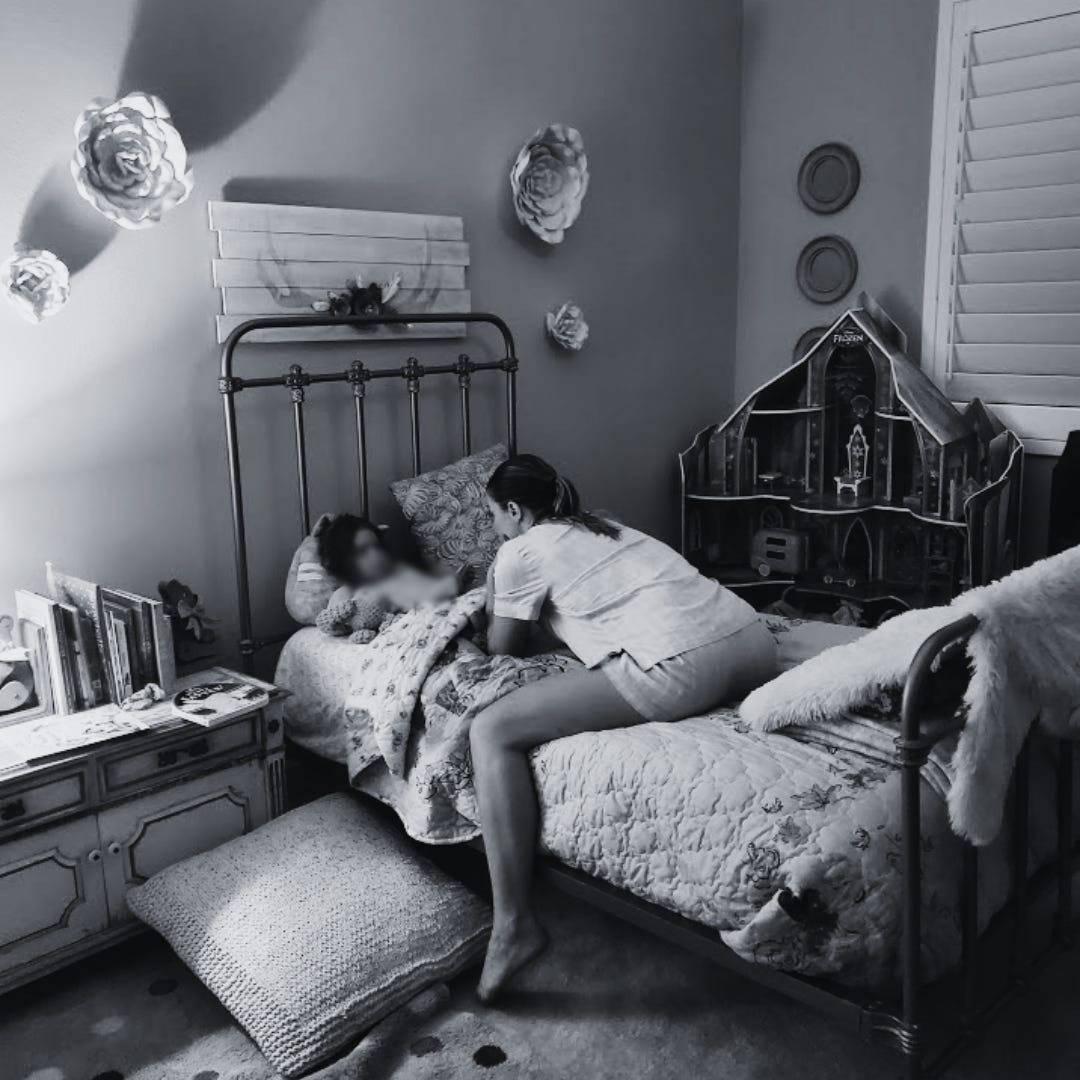
The nights I sat in their darkened rooms, scrolling through my phone for escape. The nights I felt so numb I couldn’t bring myself to hold them the way they needed. The nights I left too soon, craving isolation over connection.
I remember standing in their doorways, hand on the light switch, counting seconds. How long is long enough before I can leave? Five minutes? Three? My body pulled toward anywhere else: the kitchen, the couch, my phone, the numbness waiting outside their rooms.
I didn’t know then that I wasn’t running from my children. I was running from the impossible choice I thought I had to make: Be strong and numb, or be soft and shattered. Be my mother on the floor, or be the Marine who never breaks.
Both choices were prisons.
The armor that kept me standing kept me from feeling. The strength that got me through flight school left me unable to hold a crying baby without my body screaming to escape. Decades building an identity around never collapsing. Then motherhood demanded collapse.
It took years to understand there was a third option: Integration.
Not strong or soft. Both. Not masculine or feminine. Both. Not Marine or mother, warrior or nurturer, armored or vulnerable. Both at once.
This is what I’d spent five years learning. Not in this house, but through it. Five years dismantling every false story I’d lived by. Five years digging through buried memories, confronting inherited patterns, sitting with the most uncomfortable parts of myself until they no longer held power over me.
I stared at the hole in the wall, at my daughter’s small fingers still trying to piece it back together. The edges crumbled under her touch, revealing what couldn’t stay hidden.
“It’s okay,” I said softly, steadying my voice even as memories pressed against my ribs. “It was already broken.”
The truth of those words expanded beyond plaster and paint. The hole had been there long before her hand went through. Just like the wounds I carried had been there long before I became a mother. Long before I joined the Marines. Long before I watched my mother collapse.
My daughter tilted her head, studying the hole with the curiosity of someone who hadn’t yet learned that broken things were supposed to be hidden.
“It’s a portal to the dark world,” she said.
And though she was pretending, she didn’t know how true her words were. This hole in our perfect suburban wall was exactly that: a glimpse into everything we’d been hiding, all the darkness we’d painted over, all the truth waiting beneath our carefully maintained surface.
I took a breath, making a choice to leave the past behind.
“Come on,” I said, pulling her to her feet. “Let’s charge our powers.”
She grinned, already spinning. The hole didn’t matter to her. It wasn’t a symbol of failure. It was just a wall. Just a moment. Just another thing that happened in a house we were already leaving.
We danced until our legs gave out, until we collapsed laughing on the floor where our couch used to be. Until the music stopped and the room grew quiet and it was time to go.
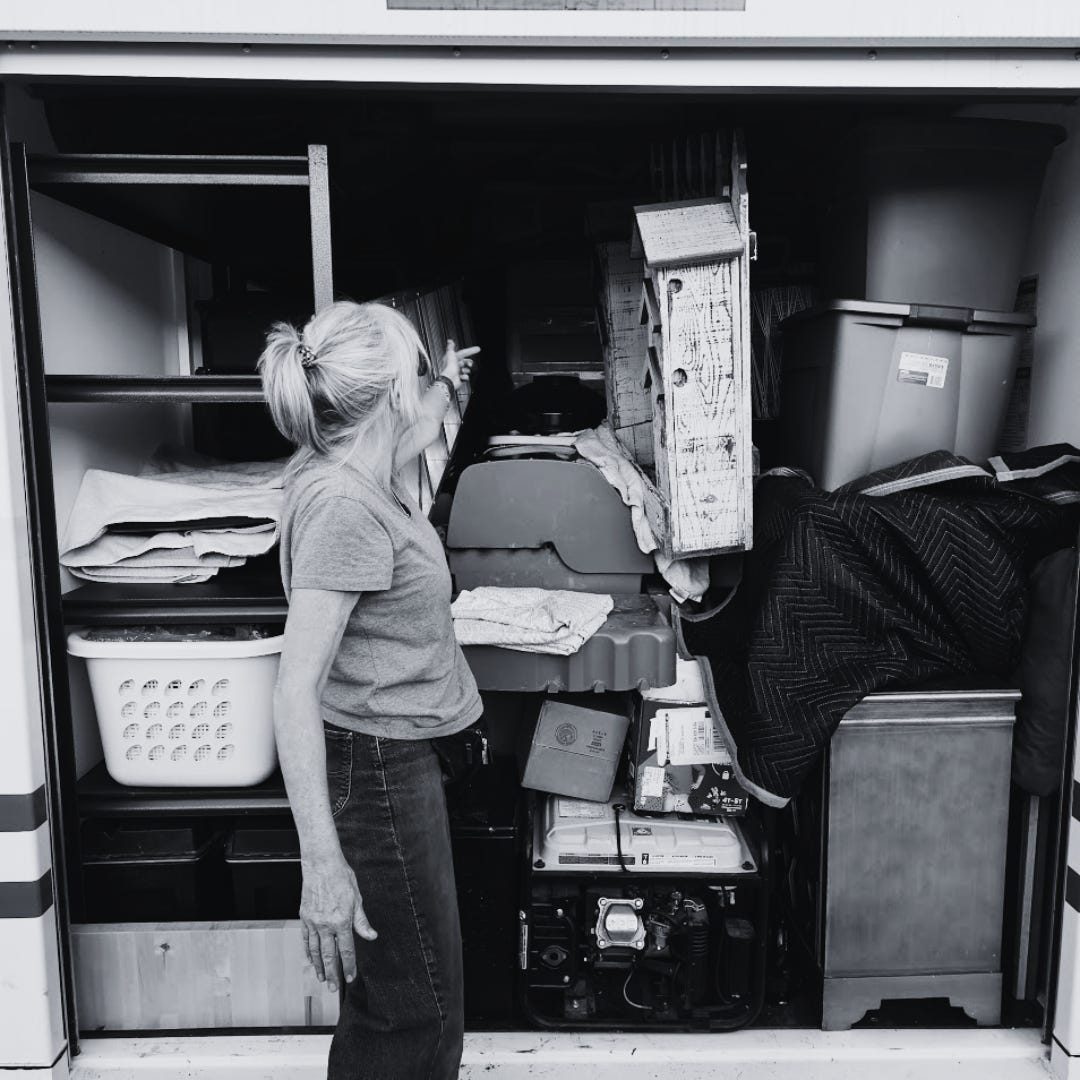
As we loaded into the truck the next morning, I glanced in the rearview mirror at my daughter, excitedly dreaming of what our new life was going to be like. And maybe, if I kept doing this work, she’d never learn to split herself in two.
The highway stretched north, six hours between who we’d been and who we were becoming.
Because that’s what integration really is. Not erasing the wounds. Not pretending the armor never existed. Not forgetting the mother who collapsed or the years spent counting seconds in doorways or the holes punched in walls.
But learning to hold all of it. The warrior and the mother. The strength and the softness. The past and the present. The pain and the dancing.
All of it. Both. At once.
And for the first time in my life, that felt like coming home.
I didn’t know yet that home is where the real work begins. That three weeks later, I’d be collapsed on our new porch while my daughters begged us to stop fighting. That my husband would block the door and I’d realize: we didn’t leave the patterns in San Diego.
We brought them with us.
Continue the Story
I thought leaving the house that broke us meant we’d left the patterns behind.
What I learned in our first fight at the farm: the hard part isn’t moving north. It’s choosing not to block the door when one of us needs space to regulate.
After the Apology: Where the Real Work Begins

The first three weeks at the farm tested us in ways I hadn’t anticipated.
About This Series
How the Fuck Did I Get Here? is a memoir-in-progress told through interconnected chapters. Each piece stands alone, but together they trace a journey from numbness to presence, from survival to integration, from choosing between two halves to learning to be whole.
This isn’t a story about healing being linear or easy. It’s about what happens when you finally stop running from yourself and ask the hard questions. When you sit with the uncomfortable answers. When you realize that breaking generational cycles means learning to hold both strength and softness at once.
This is the heroine’s journey told in real time: the messy middle, the ongoing practice, the moment-by-moment choice to stay present even when everything in you wants to run.
How to Read This Series
This is a choose-your-own-adventure memoir. Throughout each chapter, you’ll see key words and phrases underlined as hyperlinks. Click them to discover other stories exploring the same themes. Or browse the tags below to find what calls to you.
This interconnected web lets you:
Follow specific themes across the series
Discover related chapters organically
Navigate by what resonates with you
See patterns and connections emerge
Start anywhere. Follow the threads that call to you. Each chapter stands alone, but together they reveal the larger story.
Explore By Theme
This chapter touches:
The Journey
Dance | Duality | Disillusionment | Returning Home
The Relationships
Motherhood | The Feminine | Avoidant Attachment
The Struggles
Generational Trauma · The Wounds | Cancer | Fear of Judgement | Inner Child Healing
The Work
The Context
Military Service | Postpartum Depression | American Dream | The Origin Story | The Five Years
Click any theme to explore related stories.
About the Author
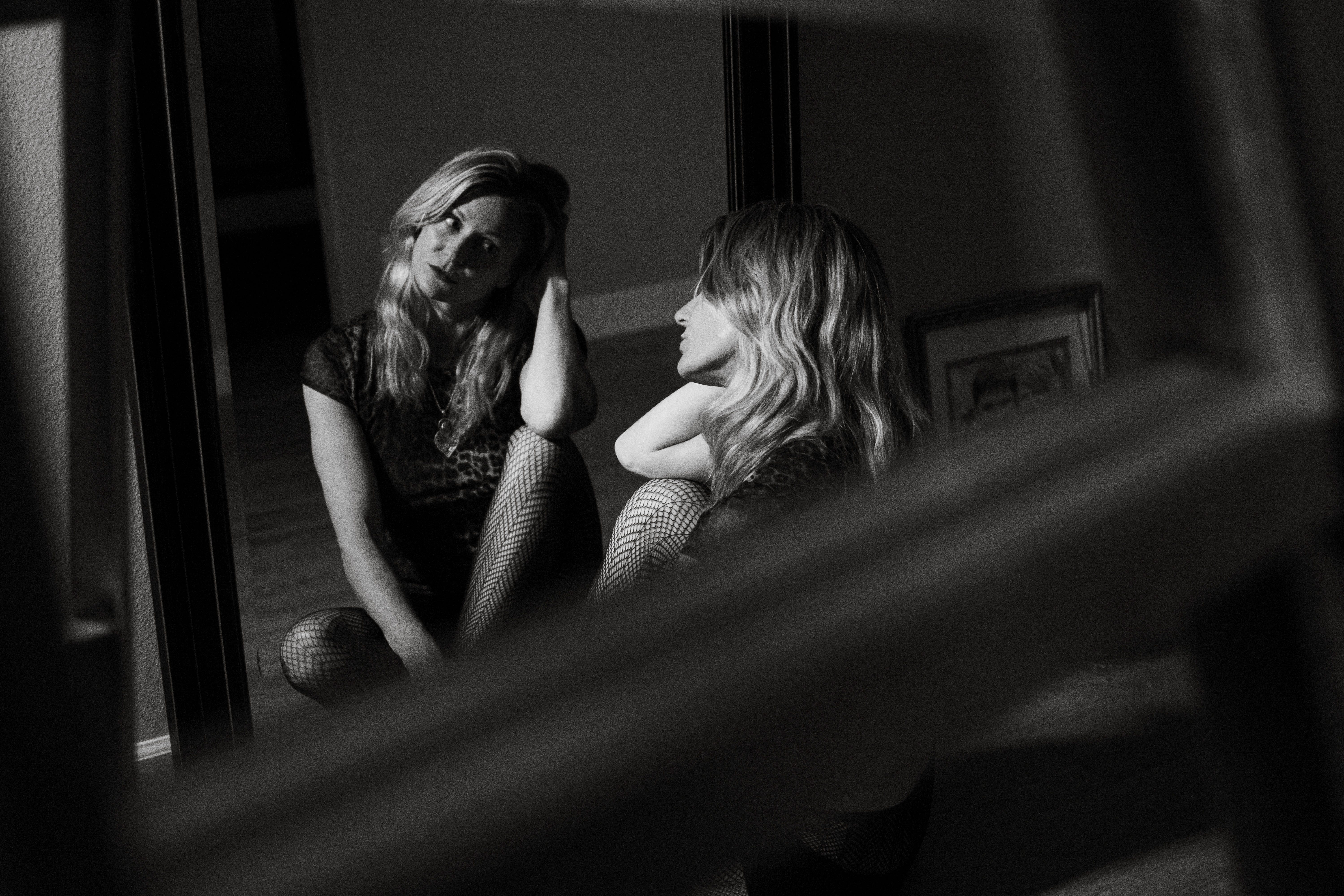
Alisa Sieber is a writer, former Marine Corps pilot, and mother exploring the intersections of healing, motherhood, and breaking generational cycles. Through raw, embodied storytelling, she examines what it takes to move from armor to integration, from choosing between strength and softness to learning to embody both.
She writes openly about complex trauma, postpartum depression, military identity, and the ongoing practice of staying present. Her therapy is her writing: public, accountable, and in real time.
She lives on a small farm in Northern California with her husband, two daughters, and too many animals. She’s building Chez Serendip, a cultural sanctuary and intentional community space centered on movement, creativity, and transformation.
Share How the Fuck Did I Get Here?
How the Fuck Did I Get Here? is a personal essay series exploring generational trauma, healing, and self-transformation. Through raw storytelling and deep introspection, it unearths the past to understand the present: reckoning with the cycles we inherit and the courage it takes to integrate what the world tells us to split.
If this piece resonated with you, share it with someone who needs to know they’re not alone.
Subscribe to How the Fuck Did I Get Here?
New chapters published weekly. Subscribe to follow this journey of breaking cycles, staying present, and learning what integration actually means: not perfection, but practice.
Free subscribers get:
Select chapters from the archives
Access to select new chapters for 2 weeks
Newsletter in your inbox
Comment access
Paid subscribers get:
Full archives
Access to all new chapters
Unlimited commenting to process alongside others
Gift subscriptions to share with people who need to see if this resonates
My gratitude for supporting this work
Connect with Alisa
Instagram: @alisa.sieber
Youtube: @alisa.sieber
Join the Conversation
Real talk: This shit is hard.
Breaking cycles. Staying present when it’s unbearable. Learning to hold anger and love simultaneously. Some days it works. Some days it doesn’t. Most days, somewhere in between.
If you’re doing this work too (asking the uncomfortable questions, sitting with what doesn’t resolve, practicing integration even when every instinct says run), join the subscriber chat. That’s where we process between posts, share what we’re learning, and stay present together.

And leave a comment below. Not to perform insight or prove you’ve healed. Just to be witnessed. To witness others. To let the messy middle be exactly what it is.
Healing isn’t linear. Let’s stop pretending it is.
You’re not alone in this. Your presence here reminds me I’m not either.